
Sound Masking
Sleep Sounds for Apartments
How to use sleep sounds to mask traffic, neighbors, and street noise in city apartments — realistically, without promising complete noise blocking.
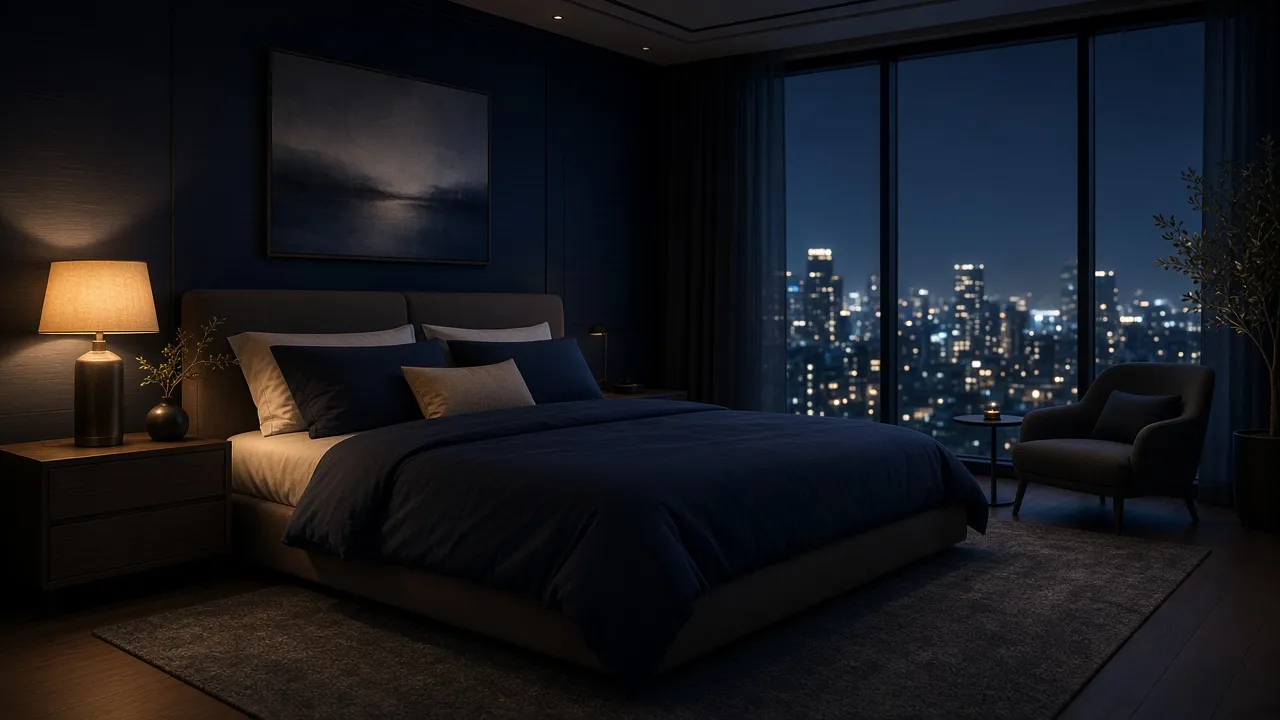
City apartments ask a lot of sleep: thin walls, hallway doors, street traffic, someone else’s TV. Sleep sounds can help — as masking, not as a promise to silence the building.
If a headline says a track will “block” neighbors or “cancel” traffic, treat that as marketing language. Real masking makes disruption less sharp and less sudden. It does not turn drywall into a studio.
Masking vs blocking (set expectations)
| Goal | What sound can do | What it cannot do |
|---|---|---|
| Soften hallway / street spikes | Cover irregular noises with a steadier bed | Remove the source |
| Make voices less intelligible | Raise the “floor” of room sound | Guarantee privacy or silence |
| Cue wind-down | Same texture every night | Fix schedule, light, or stress alone |
| Replace soundproofing | — | No — rugs, seals, and layout still matter |
CDC/NIOSH sleep-environment tips mention fans or white-noise machines as ways to camouflage disruptive noise. That framing is right: camouflage, not annihilation.
Evidence that continuous broadband sound improves sleep overall remains mixed and low-certainty. Use apartment sound because mornings feel less fragmented, not because a color chart promised deeper stages.
Match the problem to a texture
Neighbors talking / thin walls
Voices are mid-to-high and irregular. Brighter beds often help more than deep rumble alone:
- white noise or soft pink-leaning static (see Brown Noise vs White Noise and Pink Noise vs Brown Noise)
- steady rain as a mid-texture
- avoid sparse “pretty” loops with long quiet gaps
Traffic and street hiss
Continuous road noise already occupies a band. You want a bed that does not fight it:
- soft brown noise under rain
- fan-like or cabin-like mechanical continuity
- keep volume modest — competing with a freeway invites fatigue
Bass, subwoofers, slamming doors
Low, impulsive noise is the hardest. Sound helps least here. Earplugs (when appropriate), layout changes, and building remedies matter more than a louder playlist.
Room too quiet (every footstep becomes an event)
Some apartments are oddly silent between events. A low continuous bed can stop the silence from feeling brittle. Brown or soft rain often works; bright white can feel unnecessary.
Compare colors in Brown Noise vs White Noise. The wider map is in Sleep Sounds: A Practical Guide.
A practical apartment setup
- One base texture for a week — do not rebuild the mix nightly.
- Volume you can ignore — if you need “force field” loudness, improve the room when you can.
- Speakers across the room beat overnight earbuds for many people.
- Same wind-down cue — start the bed 10–20 minutes before lights-out.
- Layer sparingly — base + optional quiet second layer. Three competing beds become the new distraction.
In Sleepzly
- Active Mixer — brown or white under rain, independent volumes, saved mixes for “weekday apartment” vs “weekend quieter.”
- Color noise + ambient library — pick the bed that matches tonight’s problem.
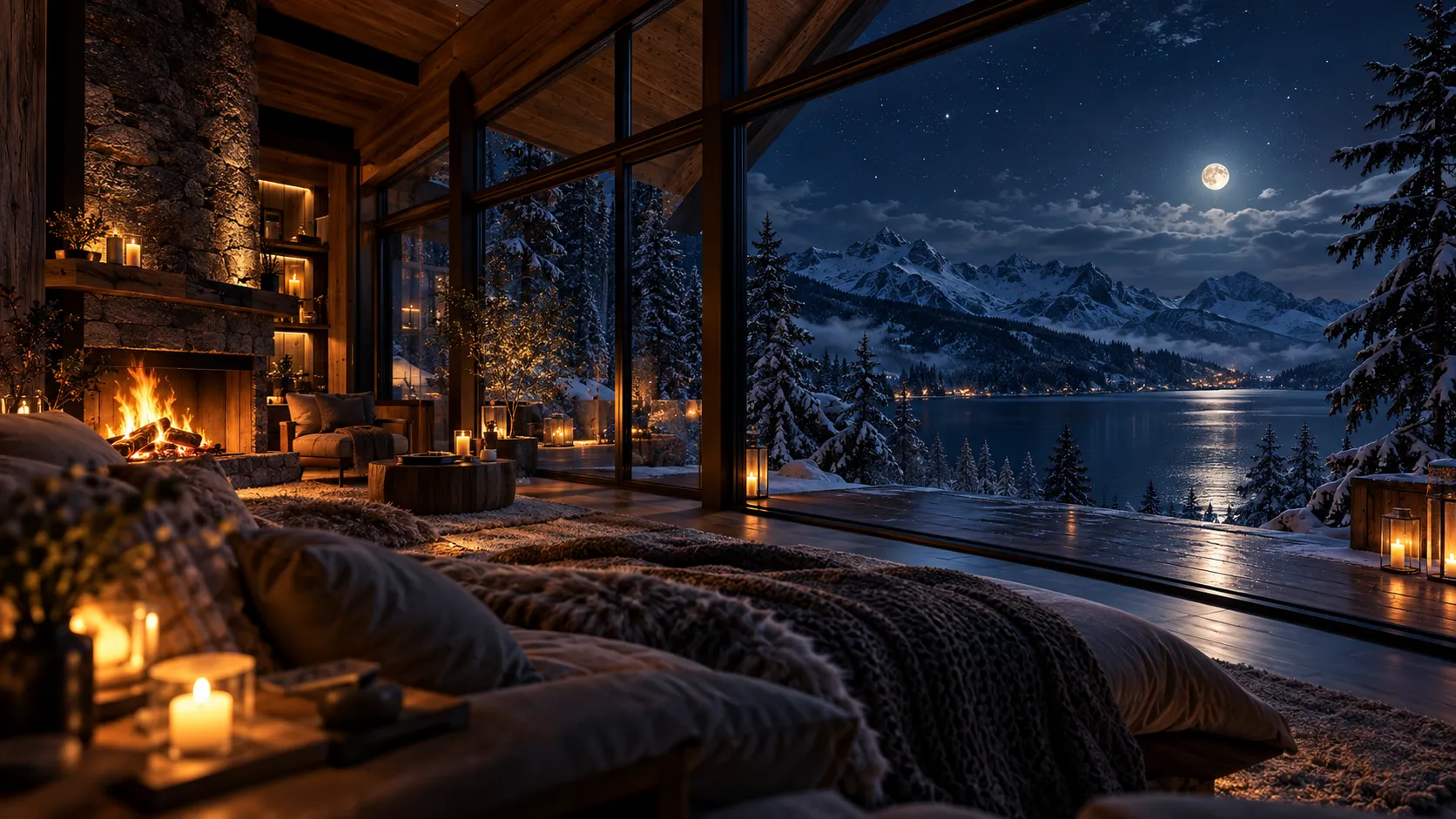
- Sleep Worlds when you want place, not just cover: Rainy Library for weather calm, Airplane Cabin Deep Sleep for heavier mechanical continuity (Airplane Cabin Sounds for Sleep), Nordic Cabin when you want cozy distance from the street (Fireplace Sounds for Sleep).
Worlds are Premium experiences, not soundproofing. More context: What Are Sleep Worlds?.
Limits (read this once)
Sleep sounds will not:
- fully block neighbors or traffic
- replace hearing protection in genuinely hazardous noise
- treat insomnia or anxiety disorders
- excuse skipping basic sleep environment fixes (dark, cool, consistent schedule)
They can make a porous apartment feel more continuous — which is often enough to get through a week of thin walls.
Bottom line
For apartments, choose steady masking over dramatic soundscapes. Match brighter beds to voices, darker beds to street rumble, and rain when you want familiar weather. Keep volume boring. Let Sleepzly hold a mixer or a World so you stop redesigning the night at 12:40 a.m.
Sources
- Create a Good Sleep Environment (noise masking tips) — CDC / NIOSH
- Noise as a sleep aid: A systematic review — PubMed / Sleep Medicine Reviews
FAQ
Can sleep sounds block neighbors talking completely?
No. Masking softens and covers irregular noise; it does not erase it like soundproofing. Steady mid and low beds help most with thin walls, but raised voices or bass can still break through.
What is the best sleep sound for apartments?
There is no single best. White or pink-leaning beds often help with voices and clinks; brown or cabin beds help when you want less hiss; rain helps when you want familiar weather. Test one texture for several nights.
In Sleepzly
Related experiences
Feature
Active Mixer
Layer sleep sounds and tune each one independently.
Feature
Ambient Library
Rain, oceans, storms, fireplaces, forests, rivers, fans, and more.
Feature
Color Noise
White, pink, brown, and other noise textures.
Feature
Sleep Worlds
Immersive Premium environments shaped by sound and atmosphere.

Sleep World · Premium
Rainy Library
Lamp light, rain on the glass, and a room that already knows the hour.

Sleep World · Premium
Airplane Cabin Deep Sleep
Deep cabin noise tuned for overnight flights.
Sleep World · Premium
Nordic Cabin
Snow outside, a low fire inside, and wood that holds the warmth.
Related guides
editor pick
White Noise for Sleep
What white noise is, how it helps with sound masking at night, what the evidence does and does not show, and how to use it safely and without hype.

editor pick
Sleep Sounds: A Practical Guide to Sound at Night
How sleep sounds help with masking and wind-down, how to choose noise or nature ambience, and what the evidence does and does not support.

editor pick
Brown Noise for Sleep: What It Is and What We Know
What brown noise is, how it differs from white and pink noise, what research does and does not show, and how to try it at night without hype.
editor pick
Rain Sounds for Sleep
Why rain is a classic sleep ambience, how to use steady rain versus storms, and how to layer it in Sleepzly without overstimulating your night.