
Sleep Sounds
Sleep Sounds: A Practical Guide to Sound at Night
How sleep sounds help with masking and wind-down, how to choose noise or nature ambience, and what the evidence does and does not support.

Sleep sounds are one of the simplest nighttime tools: a steadier backdrop when the house is too quiet, or a familiar cue that the day is finished. They are not medicine, and they do not need to be mysterious.
This guide covers what sound can realistically do, the main sound families, and how to choose without chasing miracle claims.
What sleep sounds can do
Most nighttime audio does one or more of these jobs:
- Masking — covering sharp, irregular noises (hallways, traffic, thin walls) with something more continuous.
- Cueing — pairing the same sound with wind-down so rest feels familiar.
- Occupation — giving a restless mind a low-stakes texture instead of a worry loop.
- Atmosphere — making the room feel chosen, not endured.
Public-health guidance often starts from the other direction: a quiet, dark, cool room supports sleep, and when noise is a problem, people sometimes use earplugs, a fan, or broadband sound to mask disruption. That is a practical tip, not proof that any particular track deepens sleep stages on demand.
A 2021 systematic review of continuous white noise and similar broadband sound as a sleep aid found the evidence quality very low, with mixed results across studies. In short: sound may help some people in some contexts. It is not a guaranteed sleep upgrade.
Sound families worth knowing
Color noise
White, pink, and brown noise describe how energy is spread across frequencies, not mood or medical effect.
- White noise — brighter and hissier in the ear.
- Pink noise — softer than white; often compared to gentle static or soft rain.
- Brown noise — darker and heavier; closer to a distant rumble or strong waterfall.
Preference beats branding. Start with White Noise for Sleep, Brown Noise for Sleep, Brown Noise vs White Noise, or Pink Noise vs Brown Noise.
Nature and weather
Rain, ocean, wind, rivers, forest, and fireplace beds feel familiar and rarely demand attention. Rain is especially common: dense enough to mask, soft enough to ignore. See Rain Sounds for Sleep and Fireplace Sounds for Sleep.
Mechanical and travel ambience
Fans, airplane cabins, and trains offer long, mostly stable textures. They comfort some people and irritate others. Trust your reaction over trends. For cabin ambience specifically, see Airplane Cabin Sounds for Sleep. City thin-wall nights: Sleep Sounds for Apartments.
Stories and guided audio
Narration is a different tool. It occupies language more directly. Some people need that; others find voices too stimulating late at night. Sleepzly keeps stories and guided sessions separate from pure sound for that reason.
How to choose without overthinking
Run a short experiment for a few nights:
- Pick one base texture (rain, brown noise, or a fan).
- Keep volume comfortable and boring.
- Leave the rest of your wind-down alone so you can tell what changed.
- If you feel more alert after 15–20 minutes, switch texture or try silence.
A useful question: does this make the room feel safer and duller, or more interesting? Interesting usually works against sleep.
Layering: when more helps
Layering works when each layer has a job:
- a low rumble for weight
- a mid texture (rain, soft static) for masking
- optionally one sparse detail for atmosphere
It fails when every layer competes. If you spend twenty minutes on sliders, simplify.
In Sleepzly, the Active Mixer supports multiple layers, independent volume, and saved mixes so a working experiment can become a habit.
Sleep Worlds vs a plain soundscape
A Sleep World pairs ambience with a visual place (for example Rainy Library or Nordic Cabin). That can strengthen a “place” cue. Worlds are Premium product experiences, not clinical protocols. Browse the current set on the Sleep Worlds page.
What sound will not do
Be wary of claims that a track will:
- cure insomnia
- replace care for a sleep disorder
- guarantee deeper sleep stages
- work the same for every person and every room
Sound can support a calmer night. It cannot carry the whole load when schedule, light, caffeine, anxiety, or a medical issue is the main driver.
A simple starting position
- Start with rain or brown noise at a low-to-moderate level.
- Add one soft layer only if the room still feels thin.
- Stop adjusting once the mix is boring.
- Use the same mix for several nights before judging it.
Curiosity can wait until the basics feel settled.
Sources
- Noise as a sleep aid: A systematic review — PubMed / Sleep Medicine Reviews
- Creating a Good Sleep Environment — CDC / NIOSH
FAQ
Do sleep sounds work for everyone?
No. Some people sleep better with steady sound; others prefer silence or find certain textures distracting. Treat sound as a personal experiment, not a requirement.
Is louder better for masking noise?
Usually not. Use a comfortable level that softens distractions without becoming the new distraction. If you need aggressive volume, improve the room when you can.
In Sleepzly
Related experiences
Feature
Active Mixer
Layer sleep sounds and tune each one independently.
Feature
Ambient Library
Rain, oceans, storms, fireplaces, forests, rivers, fans, and more.
Feature
Color Noise
White, pink, brown, and other noise textures.
Feature
Sleep Worlds
Immersive Premium environments shaped by sound and atmosphere.

Sleep World · Premium
Rainy Library
Lamp light, rain on the glass, and a room that already knows the hour.
Sleep World · Premium
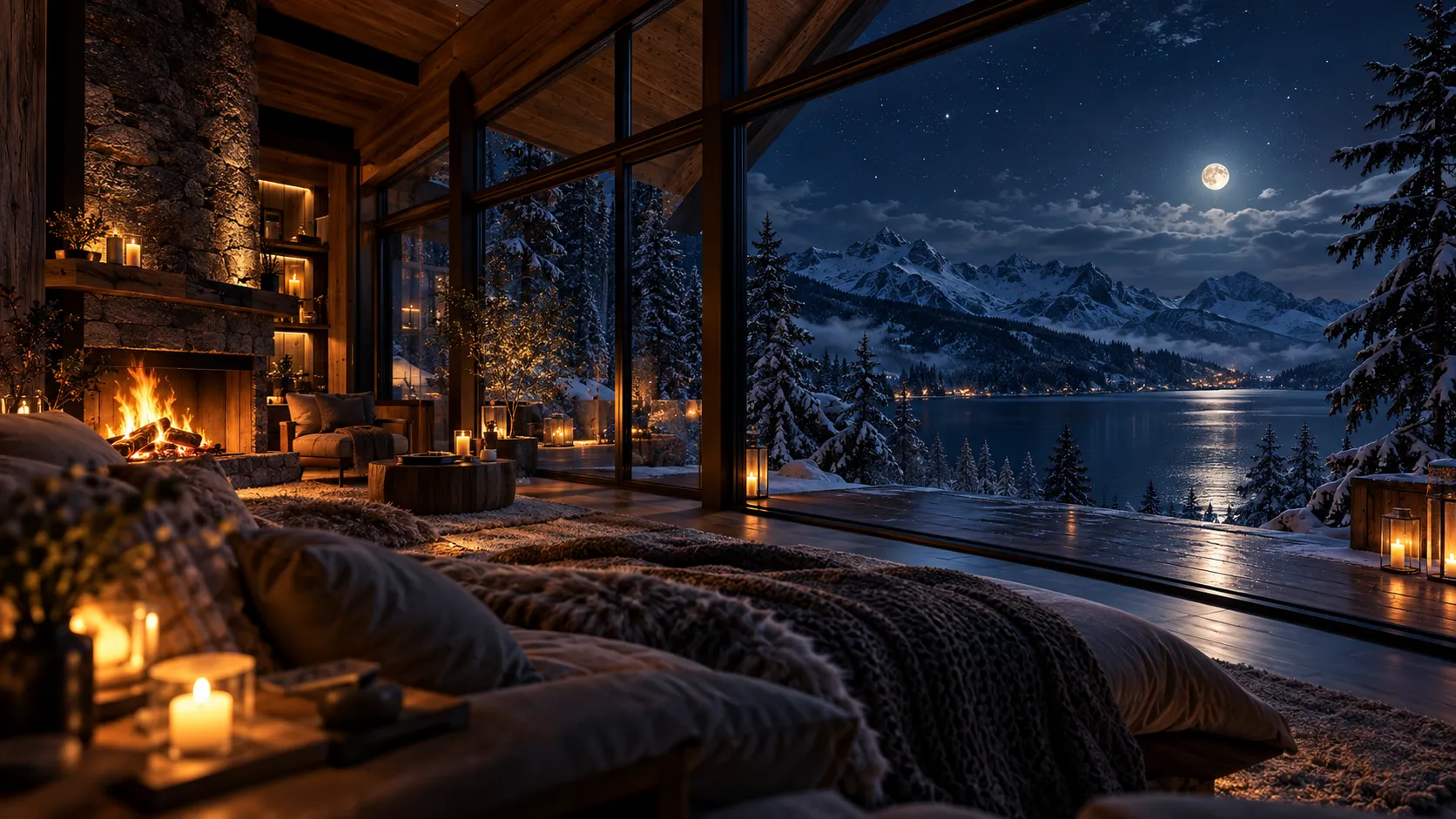
Nordic Cabin
Snow outside, a low fire inside, and wood that holds the warmth.
Related guides

editor pick
Brown Noise for Sleep: What It Is and What We Know
What brown noise is, how it differs from white and pink noise, what research does and does not show, and how to try it at night without hype.

editor pick
Brown Noise vs White Noise for Sleep
How brown noise and white noise differ at night, when each may help with masking, and how to choose without hype or unverified sleep claims.
editor pick
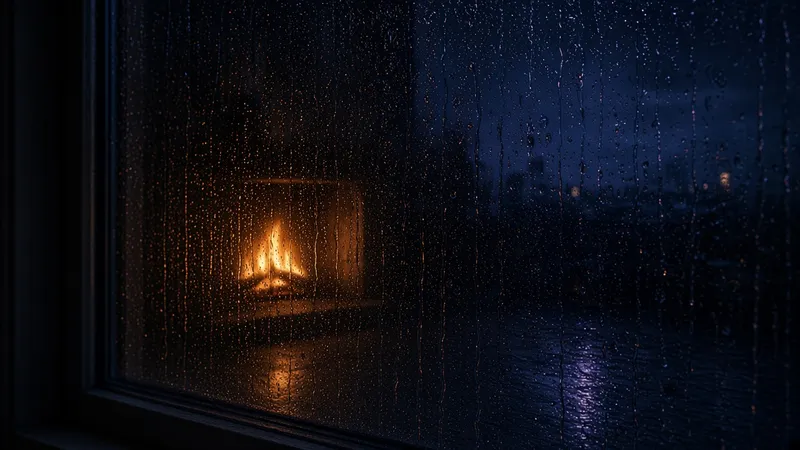
Rain Sounds for Sleep
Why rain is a classic sleep ambience, how to use steady rain versus storms, and how to layer it in Sleepzly without overstimulating your night.

editor pick
Pink Noise vs Brown Noise for Sleep
Pink noise vs brown noise for sleep — how the textures differ at night, who tends to prefer each, and how to choose without overclaiming the science.